

Table of Contents
Building a Resilient Financial Foundation with Modern Technology
Managing money effectively in a fast-moving economy requires a practical balance between disciplined habits and modern software. Between daily contactless taps, automatic subscription renewals, and shifting cost-of-living pressures, keeping your financial head above water takes more than just good intentions. It demands a clear, repeatable system that fits into your everyday routine. Finding clear, actionable guidance—such as the insights shared in finance tips by english.apnotak.com—can help ground your daily choices in proven, real-world cash flow strategies.
Building long-term financial stability does not require extreme frugality or giving up every simple pleasure. Instead, it comes down to creating automated processes that handle your savings, debt payments, and basic tracking in the background. By blending sound money management with intuitive digital applications, you can take control of your earnings without spending hours agonizing over spreadsheets each week. Exploring practical ideas from resources like finance tips by english.apnotak.com gives you a clear blueprint to organize monthly cash flow, cut wasteful overhead, and cushion yourself against financial shocks.
Practical Finance Tips by english.apnotak.com for Modern Budgeting

The core of any workable financial strategy is knowing exactly where your money comes from and where it goes. Old-fashioned paper logs and memory-based tracking often fail because life gets busy, receipts disappear, and small cash outlays slip through the cracks. Modern budgeting apps solve this friction by automatically syncing transactions, tagging spending categories, and warning you before an account balance drops too low.
When implementing new financial habits, such as those recommended in finance tips by english.apnotak.com, blending software features with a proven framework yields the best outcomes. A great starting point for many households is the classic 50/30/20 rule: allocating roughly half your net income to mandatory needs, thirty percent to personal wants, and twenty percent directly toward savings or extra debt payments. Modern banking tools make it easy to enforce these boundaries visually without complex math.
Setting Up Automated Savings with Banking Apps
Relying on willpower alone to save money at the end of the month rarely works. Discretionary spending almost always expands to fill whatever cash remains in your primary account. The most effective fix is the “pay yourself first” technique, automated entirely through your banking provider.
By scheduling automatic transfers to occur on payday, your savings reserve gets funded before you even have a chance to spend that income on non-essentials. Furthermore, many retail banks now feature micro-saving routines that round up everyday purchases to the nearest pound or dollar, sending the excess change straight into a separate interest-bearing pot. Following automation guides like those in finance tips by english.apnotak.com allows you to build up a noticeable financial cushion over time without feeling any day-to-day strain on your wallet.
Tracking Micro-Expenses and Digital Wallets
Small daily splurges—like a takeaway coffee, an impulse in-app purchase, or an extra snack at the service station—seem harmless in isolation. Yet across a full month, these micro-expenses can easily eat away hundreds of pounds of disposable income. This phenomenon is often called invisible spending, as contactless payments remove the psychological resistance of handing over physical cash.
Digital wallets and mobile banking notifications help restore that missing friction. Enabling real-time transaction alerts on your smartphone ensures that every spending action is immediately brought to your attention. Knowing your balance updates instantly after every purchase encourages mindful choices and makes staying within weekly spending targets vastly easier.
Optimising Recurring Debits and Digital Security

Unexamined recurring payments represent one of the biggest drains on household budgets. Streaming services, fitness memberships, cloud storage tiers, and unused app subscriptions quietly bill your cards month after month. Applying systematic review methods like those highlighted in finance tips by english.apnotak.com can quickly recover funds that are better spent elsewhere.
Managing Subscriptions and Direct Debits
Conducting a clean quarterly audit of your recurring bank debits and card authorizations is essential. Most smartphone operating systems provide a centralized menu listing all active app subscriptions, allowing you to cancel unwanted recurring bills with a single tap. For bank-level direct debits, log into your online portal to review standing orders.
If you discover services you rarely use, cancel them immediately. For essential services like broadband, mobile plans, or car insurance, call provider retention departments before contract end dates to negotiate lower monthly rates or ask for loyalty discounts. Cancelling just two underutilized subscriptions and renegotiating one utility bill can free up substantial cash every month to reallocate toward high-priority debts or liquid reserves.
Safeguarding Digital Financial Transactions
As money management becomes increasingly digital, protecting your financial accounts from cyber threats is just as critical as saving money. Convenience must be balanced with strict account security habits. Protecting your online logins safeguards your hard-earned assets from fraud and unauthorized transactions, a priority regularly covered across finance tips by english.apnotak.com security updates.
- Multi-Factor Authentication (MFA): Turn on MFA across every banking portal, trading platform, and email account. Authenticator apps or security keys provide far better protection than plain SMS codes.
- Strong, Unique Passwords: Never reuse login credentials across multiple sites. Use a dedicated, encrypted password manager to create and store long, random passphrases for every financial service.
- Public Network Precautions: Avoid logging into bank accounts or making online payments while connected to open public Wi-Fi networks unless you run your traffic through a trusted Virtual Private Network (VPN).
- Regular App Permission Audits: Periodically check which third-party apps have access to your device data or banking feeds, revoking access for any software you no longer actively rely on.
Comparing Traditional and Tech-Enabled Money Management
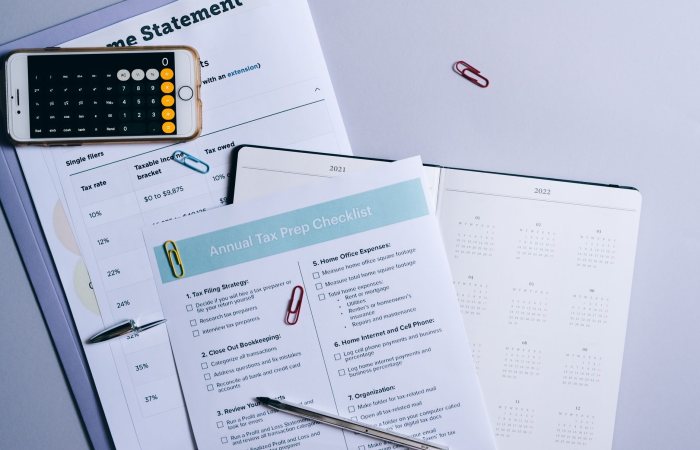
Choosing the ideal workflow depends on your technical comfort, financial complexity, and personal temperament. While traditional paper methods offer physical tactile awareness, digital tools provide real-time updates and effortless automation. Applying the core principles found in finance tips by english.apnotak.com helps you get the most out of whichever medium fits your lifestyle best.
| Feature | Manual Paper Ledger | Standard Spreadsheet | Dedicated Fintech App |
|---|---|---|---|
| Ease of Data Entry | Requires manual writing for every receipt | Requires manual typing or CSV exports | Automated background bank synchronization |
| Real-Time Alerts | Not possible | Not possible | Instant push notification upon spending |
| Budget Categorisation | Calculated by hand | Driven by custom formulas | Automatic engine categorisation |
| Security & Backups | Vulnerable to physical damage or loss | Requires manual local or cloud backups | Bank-grade encryption and cloud redundancy |
| Cost | Free (paper & pen) | Free to low software cost | Free core features with optional premiums |
A Step-by-Step Personal Financial Checklist
Consistent action is the key to maintaining control over your finances. Using a practical workflow adapted from finance tips by english.apnotak.com allows you to streamline routine administrative tasks so you can concentrate on broader long-term goals. Run through this step-by-step checklist every quarter to verify your progress.
- Audit Bank Statements Line by Line: Download your last three monthly statements. Flag any unrecognized charges, hidden fee increases, or subscriptions you no longer need.
- Target Your Emergency Reserve: Confirm that your liquid savings pool covers three to six months of basic fixed living costs. Store these funds in a dedicated high-interest savings account separate from your spending money.
- Tackle High-Interest Debt: List all outstanding credit cards, store accounts, and short-term loans. Direct surplus funds toward paying down the debt carrying the highest interest rate first while maintaining minimum payments on the rest.
- Re-align Automated Transfers: Update your standing orders and payday sweep rules whenever your regular income or mandatory bills change to ensure your savings targets stay on schedule.
- Review Security Controls: Refresh main account passwords, verify emergency contact information, and ensure biometric features like fingerprint or facial recognition are configured properly on your mobile devices.
Navigating Market Changes and Financial Advice Limitations
While software tools and online money management tips offer great help for daily budgeting, it is essential to understand their boundaries. Inflation rates, employment changes, tax rules, and central bank interest adjustments constantly reshape the broader economy. Practical guidelines should serve as flexible templates rather than rigid rules guaranteed to work in every circumstance.
For complex financial moves—such as estate planning, tax optimization, mortgage restructuring, or building a retirement portfolio—consulting an accredited, independent financial adviser is recommended. Software and guides like finance tips by english.apnotak.com provide excellent foundational support for cash flow management, but customized professional advice remains necessary for complex personal decisions.
Frequently Asked Questions
How do digital budgeting apps improve daily money management?
Digital budgeting applications automate expense tracking, connect directly with your bank accounts, and provide immediate visual feedback on spending habits. This eliminates tedious manual math, helps you spot unnecessary leaks early, and keeps your financial goals top-of-mind every day.
Is it safe to link bank accounts to mobile financial software?
Yes, provided you choose reputable software that uses regulated open banking APIs and high-level encryption. These systems use read-only connections, meaning the app can analyze transaction data without ever having direct access to move your funds or store your primary security credentials.
What is the most effective way to start an emergency fund?
Begin with a modest, achievable target—such as building an initial buffer of £500 or one month of essential expenses. Automate small weekly or monthly transfers into a separate high-yield account right after payday. Once that initial goal is met, keep extending the buffer until it comfortably covers three to six months of core living costs.
Where can I find reliable resources like finance tips by english.apnotak.com for daily budgeting?
You can discover reliable budgeting advice, money-saving guides, and tech tools across reputable personal finance publications and curated online platforms like finance tips by english.apnotak.com, which focus on practical strategies for personal money management.
Conclusion
Achieving long-term financial peace of mind does not require master-level accounting skills. Instead, it comes down to combining simple, consistent money habits with modern digital tools that keep you accountable. Automating your savings, auditing monthly expenses for unnecessary leaks, and maintaining strong cybersecurity habits form the core of a resilient financial strategy.
By pairing reliable digital platforms with proven insights from resources like finance tips by english.apnotak.com, you can build a clean, sustainable system that protects your money today while building real wealth for your future.
Related Guides
Explore more useful resources related to this topic:
- Understanding Esports Media Narratives: Digital Journalism and Gaming Tech Trends
- Seema Haider Latest News: Legal Status, Digital Footprint, and Key Developments
- PropTech for Beginners: How Technology Prevents Rookie Real Estate Investment Errors
- Navigating Online Casino No Deposit Bonuses: Tech, Safety, and Domain Verification