

If your typical weekday is a blur of back-to-back status calls, urgent messages, and long commutes through traffic in hubs like Bengaluru, Gurugram, Hyderabad, or Pune, your health often takes a back seat. By the time you log off, your brain feels completely drained, your back is stiff, and the thought of cooking a balanced dinner or hitting the gym sounds like punishment. If you constantly catch yourself thinking, i work 9 to 9, living on snacks and coffee with zero steps. how do i stay fit and eat healthy?, you are experiencing a reality shared by countless corporate professionals.
The core problem isn’t a failure of willpower. It is an environment built entirely around extended sitting, instant food apps, and high caffeine intake to sustain concentration. When you spend 12 hours inside an office or sitting at a home desk, fitness advice that assumes you have hours of free time every day simply doesn’t apply. Reclaiming your vitality doesn’t require quitting your job or waking up at 4:00 AM for intense workout sessions. Real, lasting health improvements come from making smart, low-friction micro-adjustments directly within your daily workflow.
Table of Contents
Strategies for the Grind: I Work 9 to 9, Living on Snacks and Coffee with Zero Steps. How Do I Stay Fit and Eat Healthy?
When energy is already low, forcing yourself into exhausting daily workouts usually leads to frustration within a couple of weeks. Pushing through intense interval training after a stressful 12-hour day elevates stress hormones like cortisol, which disrupts your sleep and leaves you even more fatigued the following morning.
A far more effective approach is to separate physical well-being into two distinct parts: consistent baseline daily movement and manageable physical activity. Baseline movement focuses on breaking up long stretches of sitting, while deliberate exercise can be brief and light during your busiest workdays.
The Power of Micro-Walks and Habit Stacking
Instead of worrying about hitting 10,000 steps right away, focus on eliminating unbroken periods of physical inactivity. Sitting continuously for three to four hours slows down blood circulation, lowers metabolic rate, and tightens the muscles around your hips and lower back. Incorporating small bursts of movement throughout your shift keeps your circulation active without disrupting your work output.
- The 50-10 Focus Pattern: Work continuously for 50 minutes, then use the remaining 10 minutes to stand up, stretch your arms, or grab a glass of water before starting your next task.
- Pace During Audio Meetings: Take internal, audio-only sync calls on your phone while walking around your office floor, a nearby corridor, or your living room.
- Take the Stairs: Bypass the lift for two or three floors when arriving at work, heading out for lunch, or leaving at the end of the day.
- Post-Meal Walks: Spend 5 to 10 minutes walking at a comfortable pace right after eating lunch. This simple habit lowers post-meal blood sugar spikes and helps prevent afternoon sluggishness.
Fixing Desk Nutrition Without Hours of Meal Prep
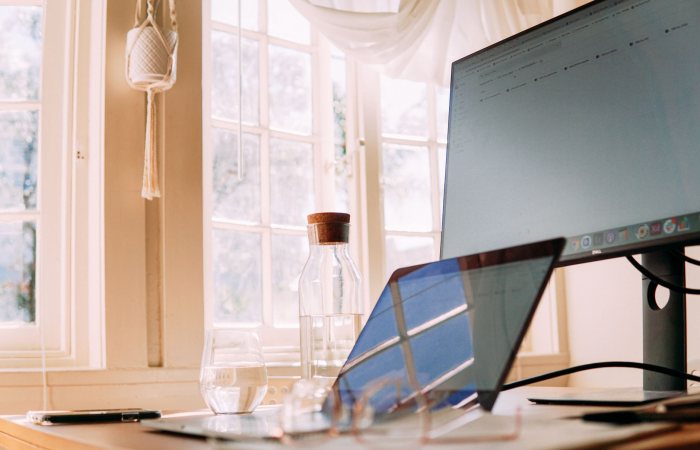
Relying heavily on vending machines, sweet tea, and packaged snacks is usually a result of convenience rather than poor choices. When deadlines loom and hunger hits, whatever food is closest gets eaten. Improving your diet on a tight schedule relies on changing the foods within arm’s reach.
Upgrading Your Workplace Pantry Options
You don’t need to spend your entire Sunday preparing complicated meals for the week ahead. The goal is to swap out processed snacks high in refined sugar and flour for real foods that provide steady, reliable energy without sudden blood sugar drops.
- Roasted Makhana (Fox Nuts): Light, crunchy, and packed with complex carbohydrates and fiber, making them an excellent alternative to fried crisps.
- Dry-Roasted Chana (Bengal Gram): Rich in plant-based protein and slow-digesting carbohydrates that keep you full for hours.
- Unsalted Nuts and Seeds: A daily mix of almonds, walnuts, pumpkin seeds, and sunflower seeds delivers essential fats that support cognitive focus during long meetings.
- Whole Fresh Fruit: Apples, pears, bananas, and oranges are easy to store, naturally sweet, and require no preparation at all.
- Unsweetened Buttermilk (Chaas): A cooling, digestive drink that keeps you hydrated and refreshed during warm afternoons without added calories.
Managing Caffeine and Staying Hydrated
Coffee and chai are deeply ingrained in modern workplace culture, but relying on four or five cups throughout the day can harm your recovery. High caffeine intake after 2:00 PM impairs your deep sleep cycles, making you wake up tired and dependent on even more caffeine the next morning. Keep your coffee or strong chai to the early part of your shift, and switch to plain water, herbal infusions, or lemon water as the day progresses.
Comparing Daily Routine Habits with Smart Health Swaps

Making subtle adjustments across a 12-hour shift creates a powerful compounding effect over time. Here is how typical workplace habits compare to high-efficiency, healthier choices.
| Routine Touchpoint | Typical High-Stress Default | Practical Health Swap | Expected Benefit |
|---|---|---|---|
| Morning Routine | Multiple coffees on an empty stomach during a rushed commute. | A large glass of water followed by a quick protein-rich breakfast like eggs, sprouts, or chilla. | Stabilizes morning blood sugar and prevents sharp mid-morning energy crashes. |
| Desk Movement | Sitting continuously for 4 to 5 hours without standing up. | A 2-minute standing stretch every hour and walking during phone calls. | Improves leg circulation and reduces stiffness in the lower back and shoulders. |
| Mid-Day Meals | Heavy, refined meals or fast food ordered from delivery apps. | A balanced plate with moderate portions of grains, lentils, vegetables, and protein. | Prevents post-lunch brain fog and sustained afternoon drowsiness. |
| Pantry Snacking | Sugary biscuits, pastries, or fried snacks from the cafeteria. | Roasted makhana, dry-roasted chana, unsalted nuts, or fresh fruit. | Delivers steady energy without triggering sharp insulin spikes. |
| Evening Wind-Down | Working late under bright lights and scrolling on your phone in bed. | Stopping screen use 30 minutes before bed and keeping dark, consistent sleep hours. | Promotes deeper, restorative sleep and clearer mental focus the following day. |
Simple Office Mobility and Desk Ergonomics

Maintaining muscle tone and flexibility during long desk shifts doesn’t require a gym membership. Prolonged screen time pulls your shoulders forward, tightens your chest, and puts extra pressure on your neck and spine. Doing targeted stretches right at your desk can quickly relieve muscle strain.
A Quick 3-Minute Desk Stretch Routine
Try these four stretches twice a day to ease muscle tension and improve posture:
- Seated Torso Twists: Sit upright in your office chair, place your right hand on the outer edge of your left thigh or chair armrest, and gently rotate your upper body to the left. Hold for 15 seconds, then repeat on the opposite side.
- Chest Openers: Sit near the edge of your seat, clasp your hands behind your lower back, roll your shoulders down and back, and lift your chest upward toward the ceiling for 20 seconds.
- Seated Figure-Four Stretch: While seated, rest your right ankle across your left knee. Keep your spine long and lean forward slightly until you feel a gentle stretch in your outer hip and glutes. Hold for 20 seconds per side.
- Standing Calf Raises: Whenever you are waiting for a document to print, water to fill, or a meeting to begin, rise up onto the balls of your feet 15 to 20 times to get blood flowing back up your legs.
Protecting Sleep Quality When Working Long Hours
When long hours leave you with little personal time, it is easy to fall into “revenge bedtime procrastination”—staying up late scrolling through social media or watching shows just to reclaim some time for yourself. However, shortchanging your sleep makes every health goal much harder to reach.
Chronic sleep deprivation increases ghrelin (the hormone that triggers hunger) and decreases leptin (the hormone that signals fullness). This hormonal imbalance creates intense cravings for sugary, high-calorie foods the following afternoon, making healthy choices feel almost impossible.
- Establish a firm digital cutoff time at least 30 minutes before going to bed to let your mind relax.
- Keep your bedroom cool, dark, and free from bright device displays or work-related notification lights.
- Avoid eating heavy meals within two hours of sleeping so your body can focus on deep physical recovery rather than active digestion.
Frequently Asked Questions
What if I am too tired to reach 10,000 steps during long shifts?
Reaching an arbitrary step count is far less important than avoiding long periods of complete sitting. Achieving 4,000 to 6,000 steps through short, consistent walks throughout the day offers major health benefits compared to sitting still for 12 hours. Focus on building the habit of regular movement rather than worrying about exact numbers.
How can I deal with late-night sugar cravings after a grueling day?
Late-night sugar cravings are usually a sign that you didn’t get enough protein or calories during your main meals, combined with mental exhaustion. Make sure your lunch and dinner include adequate protein and complex carbohydrates. If you want a late-night snack, choose small options like Greek yogurt, a date with peanut butter, or warm milk instead of refined sweets.
Is it better to exercise late at night or early in the morning?
The best time depends on your natural energy levels and how well you recover. If vigorous evening workouts make it hard to fall asleep, shift to short 15-minute mobility routines or light walks in the morning. If mornings are too rushed, gentle evening walks or light yoga are much better for recovery than lifting heavy weights late at night.
When I reflect on my routine and ask, “i work 9 to 9, living on snacks and coffee with zero steps. how do i stay fit and eat healthy?”, where should I start?
Start with simple environment swaps. Replace office pantry snacks with nutrient-dense alternatives like roasted chana or nuts, keep a water bottle at your desk, and commit to standing up for two minutes every hour. Once these small habits become natural, you can gradually add short daily walks and structured bedtime routines.
Final Practical Takeaways
Managing your health during long corporate workdays isn’t about complete lifestyle overhauls or unachievable routines. When you find yourself thinking, i work 9 to 9, living on snacks and coffee with zero steps. how do i stay fit and eat healthy?, remember that small, continuous habits lead to big long-term results.
Pick just two manageable actions to focus on this week: stock your desk drawer with healthy snacks instead of sugary processed treats, and take a brief 2-minute movement break every hour. Once those feel natural, layer in short walks after lunch and a consistent pre-sleep routine to build steady energy and long-term vitality.
Related Guides
Explore more useful resources related to this topic:
